

Small Business Accounting: Streamlining Your Kansas City Finances
Nearly half of American small business owners say accounting tasks are their greatest source of stress. Managing finances in Kansas City can feel confusing, especially with regional rules and hidden pitfalls. From understanding local compliance to using the right accounting software, finding the right approach could mean the difference between steady growth and costly mistakes. This guide uncovers proven strategies that help Kansas City businesses keep their numbers clear and their operations strong.
Table of Contents
- Defining Small Business Accounting in Kansas City
- Essential Components of Accounting Systems
- How QuickBooks Online Supports Streamlined Finances
- Legal and Tax Requirements for Local Businesses
- Common Pitfalls and How to Avoid Them
Key Takeaways
| Point | Details |
|---|---|
| Effective Accounting Systems | Small businesses in Kansas City need robust accounting systems that track expenses, revenue, and manage tax obligations for strategic insights. |
| Utilizing Technology | Platforms like QuickBooks Online automate financial tasks and provide real-time insights, enhancing overall financial management. |
| Navigating Legal Compliance | Understanding and adhering to local legal and tax requirements is essential for avoiding penalties and ensuring business sustainability. |
| Common Pitfalls | Entrepreneurs should avoid mixing personal and business finances, inconsistent record keeping, and poor cash flow management to maintain financial health. |
Defining Small Business Accounting in Kansas City
Small business accounting isn’t just about tracking numbers – it’s about understanding the financial heartbeat of your Kansas City enterprise. Financial management represents the strategic backbone that helps local businesses transform raw data into actionable insights. For home service businesses and small enterprises with fewer than 20 employees, accounting goes beyond basic record keeping.
Local resources like the Kansas City Small Business Administration provide critical guidance for navigating accounting complexities specific to our regional business landscape. Small businesses need comprehensive accounting practices that encompass more than simple bookkeeping. This means systematically tracking income, expenses, tax obligations, and financial performance metrics that reveal the true health of your business.
The core components of effective small business accounting in Kansas City include:
- Expense Tracking: Meticulously documenting every business-related expenditure
- Revenue Analysis: Understanding income streams and their seasonal variations
- Tax Preparation: Maintaining clean records for seamless annual tax filing
- Financial Reporting: Generating precise profit and loss statements
With support from organizations like the KU Small Business Development Center, local entrepreneurs can access free advising services that demystify accounting principles. These resources help Kansas City business owners develop robust financial strategies tailored to their unique operational needs. Effective accounting isn’t about perfection – it’s about creating a clear, consistent system that provides transparency and supports strategic decision making.
Essential Components of Accounting Systems
Every robust small business accounting system requires a strategic framework of interconnected components that transform raw financial data into meaningful insights. Accounting infrastructure serves as the digital nervous system of your business, enabling precise tracking, reporting, and financial decision making.
The fundamental components of a comprehensive accounting system include:
- General Ledger: The central repository tracking all financial transactions
- Accounts Receivable: Monitoring money owed by customers
- Accounts Payable: Managing outgoing payments and vendor obligations
- Payroll Management: Accurately calculating employee compensation and tax withholdings
These components work together to create a seamless financial workflow. Income tracking ensures you understand revenue streams, while expense categorization provides clarity on where your money is being spent. Effective systems also integrate tax preparation tools that simplify annual reporting and minimize potential compliance risks.
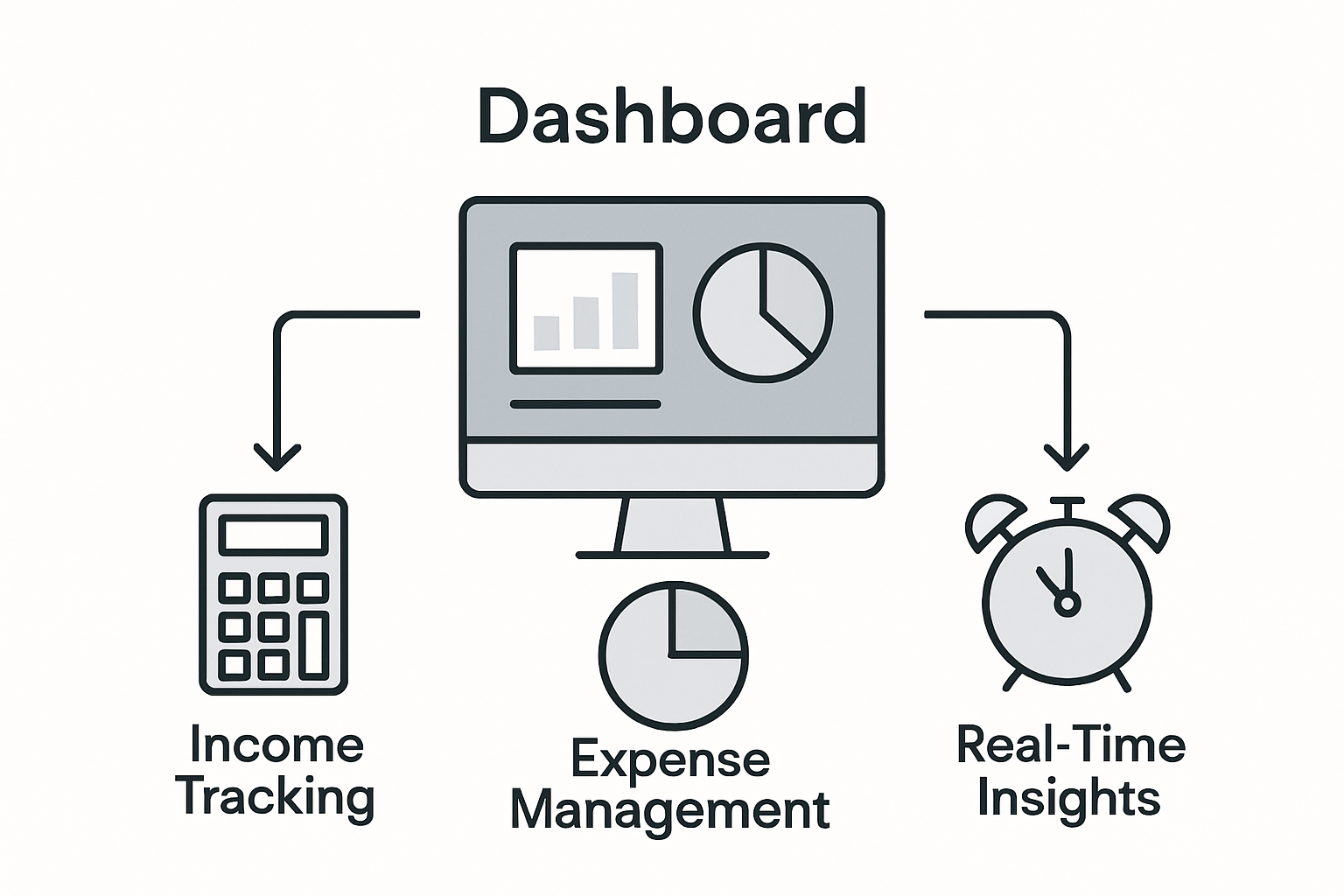
Successful accounting systems go beyond mere record keeping. They provide real time financial snapshots that help business owners make informed decisions. By implementing a well-structured accounting approach, small businesses can transform financial data into strategic insights, revealing opportunities for growth, cost reduction, and improved operational efficiency. The goal isn’t just to record numbers, but to tell the financial story of your business with precision and clarity.
How QuickBooks Online Supports Streamlined Finances
QuickBooks Online represents a transformative solution for small businesses seeking to simplify their financial management processes. Digital accounting platforms like QuickBooks provide comprehensive tools that automate complex financial tasks, allowing business owners to focus more on growth and less on paperwork. The platform’s ability to integrate multiple financial functions makes it an essential tool for Kansas City entrepreneurs.
According to SBDC financial tools research, the platform offers critical features for small business financial management:
- Bank Synchronization: Automatically importing and categorizing transactions
- Expense Tracking: Real-time monitoring of business spending
- Invoice Management: Creating and tracking customer invoices seamlessly
- Financial Reporting: Generating detailed profit and loss statements
The power of QuickBooks Online lies in its ability to provide real-time financial insights. Automated reconciliation eliminates hours of manual data entry, reducing the potential for human error and providing a clear, up-to-the-minute view of your business’s financial health. Small businesses can connect bank accounts, credit cards, and payment platforms, creating a centralized financial ecosystem that simplifies accounting and provides actionable business intelligence.

Beyond basic bookkeeping, QuickBooks Online offers strategic advantages for small businesses. The platform enables precise financial forecasting, helps identify potential cost-saving opportunities, and generates professional reports that can be crucial for securing loans, attracting investors, or making critical business decisions. For Kansas City entrepreneurs, this means transforming accounting from a mundane administrative task into a powerful tool for business growth and financial strategy.
Legal and Tax Requirements for Local Businesses
Navigating the complex landscape of legal and tax requirements is a critical challenge for small businesses in Kansas City. Business compliance involves understanding multiple layers of regulations that impact everything from how you structure your business to how you report income and pay taxes. The consequences of overlooking these requirements can be severe, potentially resulting in financial penalties or legal complications.
According to the Kansas City BizCare Small Business Resource Directory, local businesses must address several key legal and regulatory components:
- Business Registration: Formally establishing your legal business entity
- Local Licensing: Obtaining necessary permits and city-specific operational licenses
- Tax Identification: Securing appropriate federal and state tax ID numbers
- Zoning Compliance: Ensuring your business operations meet local regulatory standards
The Small Business Administration’s Kansas City District Office emphasizes the importance of comprehensive tax planning for small enterprises. Tax obligations extend beyond simple income reporting and include payroll taxes, sales taxes, and potential industry-specific levies. Small businesses must maintain meticulous records, understand filing deadlines, and develop strategies to manage tax liabilities effectively.
Successful legal and tax management requires proactive planning and continuous education. While the regulatory landscape might seem intimidating, local resources are available to help Kansas City entrepreneurs navigate these complex requirements. By investing time in understanding legal frameworks and maintaining rigorous financial documentation, small businesses can minimize risks, avoid potential penalties, and create a solid foundation for sustainable growth.
Common Pitfalls and How to Avoid Them
Small business accounting is fraught with potential mistakes that can derail financial success. Financial vulnerability emerges when entrepreneurs neglect critical accounting practices, turning what should be a strategic advantage into a significant operational risk. Understanding these common pitfalls is the first step toward building a resilient financial management approach.
The most frequent accounting challenges for small businesses include:
- Inconsistent Record Keeping: Failing to track every financial transaction
- Mixing Personal and Business Finances: Creating complex tax and audit challenges
- Neglecting Regular Reconciliation: Allowing discrepancies to accumulate
- Poor Cash Flow Management: Misunderstanding the difference between profit and available cash
Cash flow mismanagement represents the most dangerous potential pitfall for small businesses. Many entrepreneurs mistake paper profits for actual financial health, overlooking the critical distinction between invoiced revenue and actual bank deposits. This misconception can lead to spending money that hasn’t actually been received, creating a cascading effect of financial instability. Regular financial reviews, maintaining a robust emergency fund, and developing precise cash flow projections can help mitigate these risks.
Successful small businesses treat accounting as a strategic function, not just an administrative task. By implementing systematic processes, leveraging technology, and maintaining disciplined financial practices, Kansas City entrepreneurs can transform potential pitfalls into opportunities for growth. The key is consistent monitoring, proactive planning, and a willingness to seek professional guidance when financial complexity increases.
Take Control of Your Kansas City Small Business Finances Today
Managing your small business accounting can feel overwhelming when trying to keep track of expenses, cash flow, and tax compliance all at once. The article highlights common challenges like inconsistent record keeping and the need for real-time financial insights. If you are struggling with these pain points or want to stop mixing personal and business finances, professional bookkeeping support can make all the difference.
At Kenworthy Bookkeeping, we specialize in helping Kansas City entrepreneurs streamline their accounting through expert use of QuickBooks Online. Our comprehensive services include accurate categorization, seamless bank reconciliations, detailed profit and loss reports, and thorough tax season preparation. This ensures you gain clarity on your financial health, reduce compliance risks, and free up valuable time to focus on growing your business.
Ready to transform your financial management and avoid costly pitfalls? Schedule a consultation today and discover how our personalized bookkeeping solutions can empower you with confidence and control. Don’t wait until tax deadlines or cash flow surprises make things harder. Start building a clearer, more strategic financial foundation now with trusted experts by your side.
Get expert bookkeeping help now
Discover how QuickBooks Online integration turbocharges your finances
See how easy it can be to streamline your Kansas City business accounting

Frequently Asked Questions
What is small business accounting?
Small business accounting involves tracking income, expenses, tax obligations, and financial performance metrics to provide a clear understanding of a business’s financial health.
How can QuickBooks Online help manage my small business finances?
QuickBooks Online automates financial tasks, allowing for easier expense tracking, bank synchronization, invoice management, and financial reporting, thus simplifying the accounting process for small businesses.
What are common pitfalls in small business accounting that I should avoid?
Common pitfalls include inconsistent record keeping, mixing personal and business finances, neglecting regular reconciliation, and poor cash flow management. These can lead to financial instability and operational risks.
Why is tax preparation important for small businesses?
Tax preparation is essential for small businesses as it helps maintain clean financial records, ensures timely compliance with tax obligations, and minimizes potential financial penalties or legal issues.






7 Comments
Comments are closed.