

Role of a Bookkeeper: Impact on Kansas City Small Businesses
Most American small business owners underestimate how much accurate bookkeeping can influence their long-term success. In Kansas City, even home service companies with fewer than 20 employees face mounting pressure to track every dollar and comply with strict financial rules. With more than 60 percent of small businesses impacted by costly bookkeeping mistakes each year, a clear understanding of what bookkeeping really means and how it protects your business can make all the difference.
Table of Contents
- Defining Bookkeeping For Small Businesses
- Types Of Bookkeeping Services Available
- Essential Bookkeeper Tasks And Processes
- Bookkeeping’s Financial And Compliance Benefits
- Common Misconceptions And Costly Mistakes
Key Takeaways
| Point | Details |
|---|---|
| Importance of Bookkeeping | Bookkeeping is essential for small businesses to track financial transactions accurately, enabling informed decision-making and identifying cash flow challenges. |
| Types of Services | Kansas City home service businesses can benefit from a range of bookkeeping services tailored to their needs, from basic recording to comprehensive management. |
| Common Misconceptions | Many small business owners mistakenly believe that DIY bookkeeping is cost-effective, ignoring the hidden costs of errors and missed opportunities. |
| Strategic Asset | Effective bookkeeping serves as a strategic tool that offers real-time insights into financial performance and prepares businesses for sustainable growth. |
Defining Bookkeeping for Small Businesses
For Kansas City small business owners, bookkeeping represents the foundational process of tracking and organizing financial transactions with precision and care. Bookkeeping involves recording, organizing, and maintaining a business’s financial transactions to ensure accurate financial management and provide critical insights into your business’s financial health.
At its core, bookkeeping goes far beyond simple number tracking. It encompasses systematically documenting every financial interaction your business experiences, including:
- Sales revenues
- Expense payments
- Vendor invoices
- Customer transactions
- Payroll records
The critical distinction between bookkeeping and accounting lies in their specific roles. While bookkeeping focuses on recording all financial transactions, accounting takes those records and transforms them into comprehensive financial statements and strategic analysis. Think of bookkeeping as the diligent record keeper and accounting as the strategic interpreter of those financial narratives.
For home service businesses in Kansas City with fewer than 20 employees, effective bookkeeping provides more than just regulatory compliance. It offers a real-time financial snapshot that enables smarter decision making, helps identify potential cash flow challenges, and prepares your business for tax season with minimal stress. Accurate bookkeeping means you’re always aware of your financial position, allowing you to focus on growing your business rather than getting lost in paperwork.
Types of Bookkeeping Services Available
Home service businesses in Kansas City have access to diverse bookkeeping services ranging from basic transaction recording to comprehensive financial management. These services can be tailored to meet the unique needs of small businesses with fewer than 20 employees, ensuring accurate financial tracking and strategic insights.
Service Categories include:
- Transaction Recording: Daily financial transaction documentation
- Bank Reconciliation: Matching bank statements with internal financial records
- Expense Tracking: Monitoring and categorizing business expenditures
- Financial Reporting: Generating profit and loss statements
- Payroll Management: Processing employee wages and tax withholdings
Online bookkeeping services now offer flexible plans that include dedicated financial professionals who can provide everything from basic data entry to advanced financial analysis. These modern solutions allow small business owners to choose service levels that match their budget and complexity, ranging from simple monthly transaction logging to full-scale financial management.
For Kansas City home service businesses, selecting the right bookkeeping service means finding a balance between comprehensive financial oversight and cost-effectiveness. The goal is not just recording numbers, but transforming financial data into actionable insights that help business owners make informed decisions, manage cash flow, and prepare for strategic growth.
Essential Bookkeeper Tasks and Processes
Bookkeepers play a critical role in maintaining the financial health of small businesses, with key tasks that go beyond simple number crunching. Their primary responsibilities include meticulously recording financial transactions, tracking income and expenses, and ensuring every financial detail is accurately captured and organized.
Core Bookkeeping Processes include:
- Transaction Recording: Documenting all financial activities
- Account Reconciliation: Matching bank statements with internal records
- Financial Statement Preparation: Creating income statements and balance sheets
- Expense Categorization: Classifying business expenditures
- Cash Flow Monitoring: Tracking money movement in and out of the business
Small businesses must carefully choose between single-entry and double-entry bookkeeping systems, each with unique advantages for tracking financial information. The double-entry system provides more comprehensive financial tracking, where every transaction is recorded in two separate accounts, creating a built-in error-checking mechanism that helps prevent accounting mistakes.

For Kansas City home service businesses, effective bookkeeping is more than a regulatory requirement. It’s a strategic tool that provides real-time insights into financial performance, helps identify potential cash flow issues, and supports informed decision-making. By maintaining precise financial records, bookkeepers enable business owners to understand their financial position, plan for future growth, and navigate potential financial challenges with confidence.
Bookkeeping’s Financial and Compliance Benefits
Accurate bookkeeping provides crucial financial insights that go far beyond simple record-keeping, transforming raw financial data into strategic tools for Kansas City home service businesses. By meticulously tracking every financial transaction, bookkeepers create a comprehensive financial narrative that empowers business owners to make informed decisions.
Key Financial Benefits include:
- Budgeting Precision: Developing targeted financial strategies
- Cash Flow Management: Understanding money movement
- Funding Preparation: Creating compelling financial documentation
- Fraud Prevention: Identifying potential financial irregularities
- Tax Planning: Minimizing potential tax liabilities
Proper bookkeeping ensures robust compliance with tax regulations, protecting a business’s reputation and supporting sustainable growth. By maintaining accurate, detailed financial records, small businesses can confidently navigate complex regulatory requirements, avoid costly penalties, and demonstrate financial responsibility to potential investors, lenders, and partners.
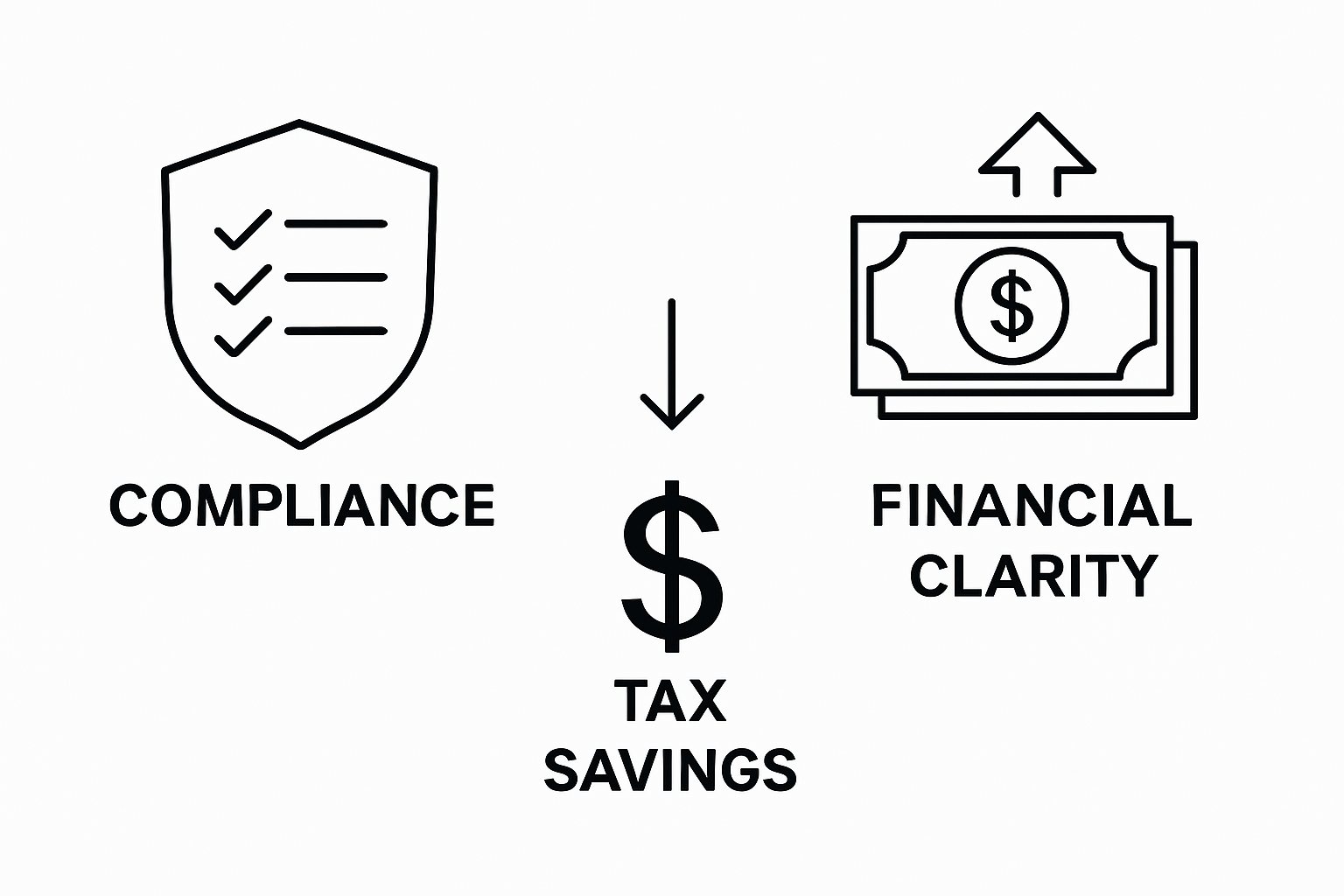
For home service businesses in Kansas City with fewer than 20 employees, effective bookkeeping is not just a back-office function. It’s a strategic asset that provides real-time visibility into financial performance, helps identify potential risks and opportunities, and creates a solid foundation for long-term business success. The right bookkeeping approach turns financial data into a powerful tool for strategic decision-making and sustainable growth.
Common Misconceptions and Costly Mistakes
Many Kansas City home service business owners fall prey to dangerous bookkeeping myths that can undermine their financial stability. Small businesses frequently struggle with critical challenges in financial record-keeping, ranging from ineffective tracking methods to misunderstanding the fundamental importance of accurate financial documentation.
Common Bookkeeping Misconceptions:
- DIY Bookkeeping is Always Cheaper: Hidden costs of errors can be substantial
- Excel Spreadsheets Are Sufficient: Lack professional tracking and reporting capabilities
- Bookkeeping is Just Data Entry: Ignores strategic financial insights
- Taxes Can Be Handled at the Last Minute: Leads to potential penalties and rushed decisions
- All Bookkeepers Provide the Same Service: Expertise and quality vary significantly
Professional bookkeepers bring a level of precision and strategic thinking that goes far beyond simple number tracking. They help businesses avoid costly mistakes like mixing personal and business expenses, failing to maintain consistent records, or overlooking critical tax deductions that could significantly impact financial performance.
For small businesses in Kansas City with fewer than 20 employees, understanding these misconceptions is crucial. Investing in professional bookkeeping is not an expense, but a strategic investment that provides clear financial visibility, prevents potential legal and tax complications, and ultimately supports sustainable business growth. The right bookkeeping approach transforms financial record-keeping from a mundane task into a powerful tool for business strategy and success.
Take Control of Your Kansas City Small Business Finances Today
Managing bookkeeping challenges like transaction recording, bank reconciliations, and tax season preparation can feel overwhelming. If you are a small home service business owner in Kansas City, keeping accurate and organized financial records is crucial for smart decision-making and sustainable growth. Kenworthy Bookkeeping specializes in turning complex bookkeeping tasks into effortless, reliable financial insights that protect your business and build your confidence.

Discover how our expert QuickBooks Online services provide tailored solutions including categorization, detailed profit and loss reports, and thorough tax season readiness. Let us help you eliminate costly mistakes and transform your bookkeeping from a burden into your greatest business asset. Start your journey to financial clarity by scheduling a consultation at Kenworthy Bookkeeping now. Don’t wait to gain control and peace of mind with bookkeeping designed specifically for Kansas City small businesses.
Frequently Asked Questions
What is the primary role of a bookkeeper in small businesses?
The primary role of a bookkeeper in small businesses is to meticulously record, organize, and maintain financial transactions, ensuring accurate financial management and providing insights into the business’s financial health.
How does bookkeeping differ from accounting?
Bookkeeping focuses on recording financial transactions, while accounting involves interpreting those records to create comprehensive financial statements and perform strategic analysis. Essentially, bookkeeping is like keeping the detailed records, and accounting is about interpreting those records for decision-making.
What services do bookkeepers typically offer small businesses?
Bookkeepers typically offer a range of services, including transaction recording, bank reconciliation, expense tracking, financial reporting, and payroll management, all tailored to meet the specific needs of small businesses.
Why is accurate bookkeeping vital for small businesses?
Accurate bookkeeping is vital for small businesses as it provides real-time insights into financial performance, helps manage cash flow, prepares for tax season, prevents costly mistakes, and supports strategic decision-making, ultimately contributing to sustainable growth.






One Comment
Comments are closed.