

Why Track Expenses – Boost Profitability in Kansas City
Nearly one in two American small businesses admit to losing track of important expenses every year. For entrepreneurs in Kansas City, missed receipts or uncategorized purchases can quickly snowball into financial stress or lost tax deductions. Understanding effective expense tracking is not just about staying organized. It empowers American business owners to make smarter decisions, optimize profits, and stay compliant, all while building a foundation for steady growth.
Table of Contents
- Defining Expense Tracking For Small Businesses
- Types Of Expenses And What To Track
- How Tracking Expenses Improves Profits
- Tax Implications And Legal Compliance
- Common Mistakes When Tracking Expenses
Key Takeaways
| Point | Details |
|---|---|
| Importance of Expense Tracking | Expense tracking is essential for small businesses to gain insights into financial health and make informed decisions. |
| Types of Expenses to Track | Small businesses should categorize expenses into operational, personnel, and marketing to maintain clarity in financial reporting. |
| Impact on Profitability | Systematic expense tracking leads to identifying cost-saving opportunities and aids in strategic resource allocation, directly improving profits. |
| Legal and Tax Compliance | Accurate expense tracking ensures proper tax deductions and compliance with regulations, minimizing audit risks for small businesses. |
Defining Expense Tracking for Small Businesses
Expense tracking is a systematic process of documenting, categorizing, and analyzing financial transactions that occur within a small business. For Kansas City entrepreneurs, this practice goes far beyond simple record keeping. It represents a strategic approach to understanding financial health, revealing critical data patterns through comprehensive transaction monitoring.
At its core, expense tracking involves recording every financial transaction a business experiences, from office supply purchases to utility payments. Small businesses can implement this through multiple methods, including manual entry systems, digital receipt scanning technologies, and direct bank account integrations. Each approach offers unique advantages, but the fundamental goal remains consistent: creating an accurate, real-time picture of business spending.
The most effective expense tracking strategies focus on granular data collection and consistent categorization. Modern tracking approaches emphasize multi-channel data ingestion and robust security protocols that protect sensitive financial information. Small business owners should prioritize systems that allow them to:
- Capture every transaction with precision
- Categorize expenses by type (operational, marketing, personnel)
- Generate detailed financial reports
- Identify potential cost-saving opportunities
- Maintain compliance with tax reporting requirements
By implementing a structured expense tracking approach, Kansas City small business owners can transform financial data from a passive record into an active strategic tool for growth and profitability.
Types of Expenses and What to Track
Small businesses in Kansas City must meticulously track various expense categories to maintain financial clarity and strategic planning. Effective expense tracking requires comprehensive documentation across multiple spending areas, ensuring no financial detail goes unnoticed.
Operational Expenses form the backbone of business spending and typically include:
- Office rent and utilities
- Equipment and technology purchases
- Software subscriptions
- Basic office supplies
- Communication services (internet, phone)
Personnel Expenses represent another critical tracking category, encompassing:
- Salaries and wages
- Benefits and insurance
- Payroll taxes
- Training and professional development
- Recruitment costs
Marketing and Sales Expenses are equally important for tracking business growth potential:
- Digital advertising spend
- Social media marketing
- Promotional materials
- Networking event costs
- Sales team travel and entertainment
Comprehensive expense tracking demands capturing even minor expenditures to create an accurate financial snapshot. Small business owners should develop a systematic approach that captures every transaction, no matter how insignificant it might seem. This granular approach provides insights into spending patterns, helps identify potential cost-cutting opportunities, and supports more informed financial decision-making.
By maintaining detailed records across these expense categories, Kansas City entrepreneurs can transform raw financial data into a strategic tool for sustainable business growth.
How Tracking Expenses Improves Profits
Systematic expense tracking transforms financial management from a reactive to a proactive business strategy, directly impacting a company’s bottom line. For Kansas City small business owners, understanding the connection between meticulous expense tracking and profitability is crucial for sustainable growth.
One of the most powerful ways expense tracking improves profits is through detailed financial insights. By documenting every transaction, businesses can:
- Identify unnecessary spending patterns
- Discover hidden cost-saving opportunities
- Allocate resources more strategically
- Predict future financial needs
- Make data-driven budgeting decisions
Precise expense records help businesses pinpoint which products or services generate the most revenue while highlighting cost centers requiring optimization. This analytical approach allows entrepreneurs to make informed decisions about where to invest resources and which areas might need cost-cutting measures. Cash flow statements become more meaningful when supported by comprehensive expense tracking.

Ultimately, expense tracking is not just about recording numbers—it’s about creating a roadmap for financial success. By understanding spending patterns, Kansas City small businesses can strategically reduce expenses, reinvest in growth opportunities, and build a more resilient financial foundation. The small investment of time in tracking expenses can yield significant returns through improved financial intelligence and more strategic business planning.
Tax Implications and Legal Compliance
Precise expense tracking creates a critical auditable trail that simplifies tax compliance and legal reporting for small businesses. Kansas City entrepreneurs must understand that meticulous financial documentation is not just a best practice—it’s a legal necessity that can protect their business from potential financial penalties.
Tax Deduction Strategies become significantly more effective through comprehensive expense tracking. By maintaining detailed records, businesses can:
- Accurately claim business expense deductions
- Substantiate tax claims with comprehensive documentation
- Reduce potential audit risks
- Maximize legitimate tax write-offs
- Demonstrate financial transparency
Systematic expense categorization enables businesses to identify and claim relevant tax deductions more efficiently. The Internal Revenue Service requires detailed documentation for business expense claims, making thorough record-keeping essential. Business financial statements provide additional context for these complex tax reporting requirements.
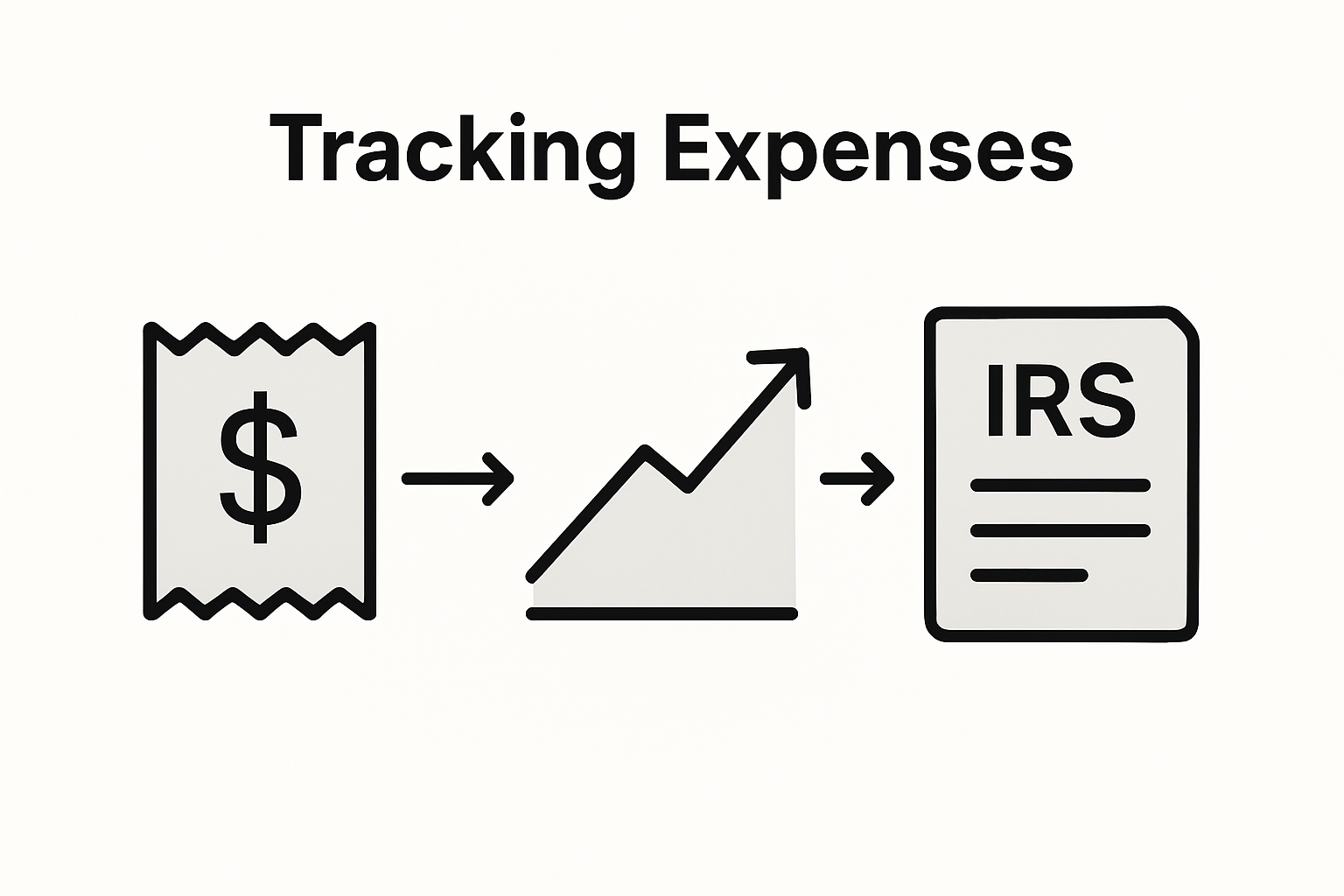
Legal compliance extends beyond tax season. Small businesses must maintain accurate financial records to meet regulatory requirements, protect against potential disputes, and demonstrate financial responsibility. By implementing a robust expense tracking system, Kansas City entrepreneurs can transform a potentially stressful administrative task into a strategic financial management tool that supports long-term business success.
Common Mistakes When Tracking Expenses
Small businesses frequently encounter critical errors in expense tracking that can compromise financial accuracy and strategic planning. Understanding these common pitfalls is the first step toward developing a robust financial management system for Kansas City entrepreneurs.
Tracking Mistakes that can derail financial management include:
- Inconsistent data entry practices
- Neglecting to categorize expenses properly
- Mixing personal and business expenses
- Failing to track small or seemingly insignificant expenses
- Relying exclusively on manual record-keeping
The time-consuming nature of manual expense tracking often leads businesses to cut corners, creating significant potential for errors and financial mismanagement. Many Kansas City small business owners struggle with maintaining consistent and accurate financial records due to limited time and resources. Comprehensive financial statements can help mitigate these tracking challenges.
Proper expense tracking requires a systematic approach. Successful businesses implement standardized processes, leverage technology, and commit to regular financial reviews. By recognizing and addressing these common mistakes, entrepreneurs can transform their expense tracking from a tedious task into a powerful tool for financial insights and strategic decision-making.
Take Control of Your Expense Tracking to Boost Kansas City Profits
Tracking expenses with precision is crucial for small businesses seeking to improve profitability and avoid costly mistakes. If you feel overwhelmed by inconsistent data entry or the challenge of categorizing expenses like operational costs and marketing spend, know that you are not alone. Kenworthy Bookkeeping specializes in transforming this complex process into an effortless, accurate system using QuickBooks Online. Our expert services include bank reconciliations, detailed profit and loss reports, and seamless tax preparation so you can focus on growing your business with confidence.

Don’t let expense tracking errors limit your financial insights or tax compliance. Take the first step toward smarter spending and greater control over your finances by scheduling a consultation with us today. Discover how our customized bookkeeping solutions help Kansas City entrepreneurs maximize profits and avoid common financial pitfalls. Get started now at Kenworthy Bookkeeping Consultation and unlock your business’s full potential.
Frequently Asked Questions
What is expense tracking and why is it important for small businesses?
Expense tracking is the systematic process of documenting and categorizing all financial transactions within a business. It’s important for small businesses as it helps them understand their financial health, identify spending patterns, and make informed decisions that can boost profitability.
How can expense tracking improve profitability for my business?
Expense tracking improves profitability by providing detailed financial insights that allow businesses to identify unnecessary spending, discover cost-saving opportunities, and make data-driven budgeting decisions, which ultimately enhances resource allocation and financial efficiency.
What are the main categories of expenses that small businesses should track?
Small businesses should track several key expense categories, including operational expenses (like rent and utilities), personnel expenses (such as salaries and benefits), and marketing and sales expenses (for advertising and promotions). This comprehensive documentation supports better financial planning.
What are common mistakes made during expense tracking?
Common mistakes in expense tracking include inconsistent data entry, improper categorization of expenses, neglecting small expenditures, and relying solely on manual systems. These pitfalls can lead to inaccuracies in financial management, hindering strategic decision-making.
Recommended
- Small Business Accounting: Streamlining Your Kansas City Finances – Kenworthy Bookkeeping Blog
- Role of a Bookkeeper: Impact on Kansas City Small Businesses – Kenworthy Bookkeeping Blog
- Role of Bookkeeping for Tax Season – Impact on Small Businesses – Kenworthy Bookkeeping Blog
- Master Budget Planning Workflow for Small Businesses – Kenworthy Bookkeeping Blog






4 Comments
Comments are closed.