
Business Asset Tracking: Boosting Financial Control
Equipment misplaced on a busy job day or missing details for a tax report can throw even the most organized Kansas City business off track. Managing every tool, vehicle, and license is not just about preventing loss—it’s a matter of financial stability. Discover how systematic asset tracking offers small home service owners a clear path to efficient management, improved reporting, and fewer costly surprises down the road.
Table of Contents
- What Business Asset Tracking Involves
- Types Of Assets Small Businesses Track
- How Asset Tracking Works In QuickBooks Online
- Key Benefits For Kansas City Businesses
- Common Pitfalls And How To Avoid Them
Key Takeaways
| Point | Details |
|---|---|
| Systematic Asset Tracking | Implementing business asset tracking enhances operational efficiency and financial performance through precise monitoring and management of physical assets. |
| Diverse Asset Types | Small businesses should track physical, financial, and intangible assets to maintain an accurate understanding of their overall asset value and condition. |
| Utilization of Technology | Leveraging tools like QuickBooks Online can streamline asset tracking, integrating financial management with detailed asset records for better decision-making. |
| Proactive Risk Management | Regular reviews and audits of asset records help avoid common pitfalls, ensuring accurate documentation and improving overall asset management effectiveness. |
What Business Asset Tracking Involves
Business asset tracking is a systematic process of monitoring and managing physical assets that are critical to a small business’s operations. Asset tracking technologies enable companies to understand precisely where their valuable resources are located, how they are being used, and what condition they are in.
At its core, business asset tracking involves several key components:
- Location Monitoring: Tracking the physical whereabouts of equipment, vehicles, tools, and other business assets
- Condition Assessment: Evaluating the current state and operational readiness of each tracked asset
- Usage Tracking: Recording how frequently and by whom specific assets are utilized
- Maintenance History: Documenting repairs, servicing, and performance over time
The primary goal of asset tracking goes beyond simple inventory management. Comprehensive asset management balances multiple organizational objectives by understanding how assets contribute to operational efficiency and financial performance.
For small home service businesses in Kansas City, this means knowing exactly what equipment you own, where it is, how often it’s used, and when it might need replacement. Tracking might involve using technologies like GPS, RFID tags, or specialized software that logs each asset’s complete lifecycle.
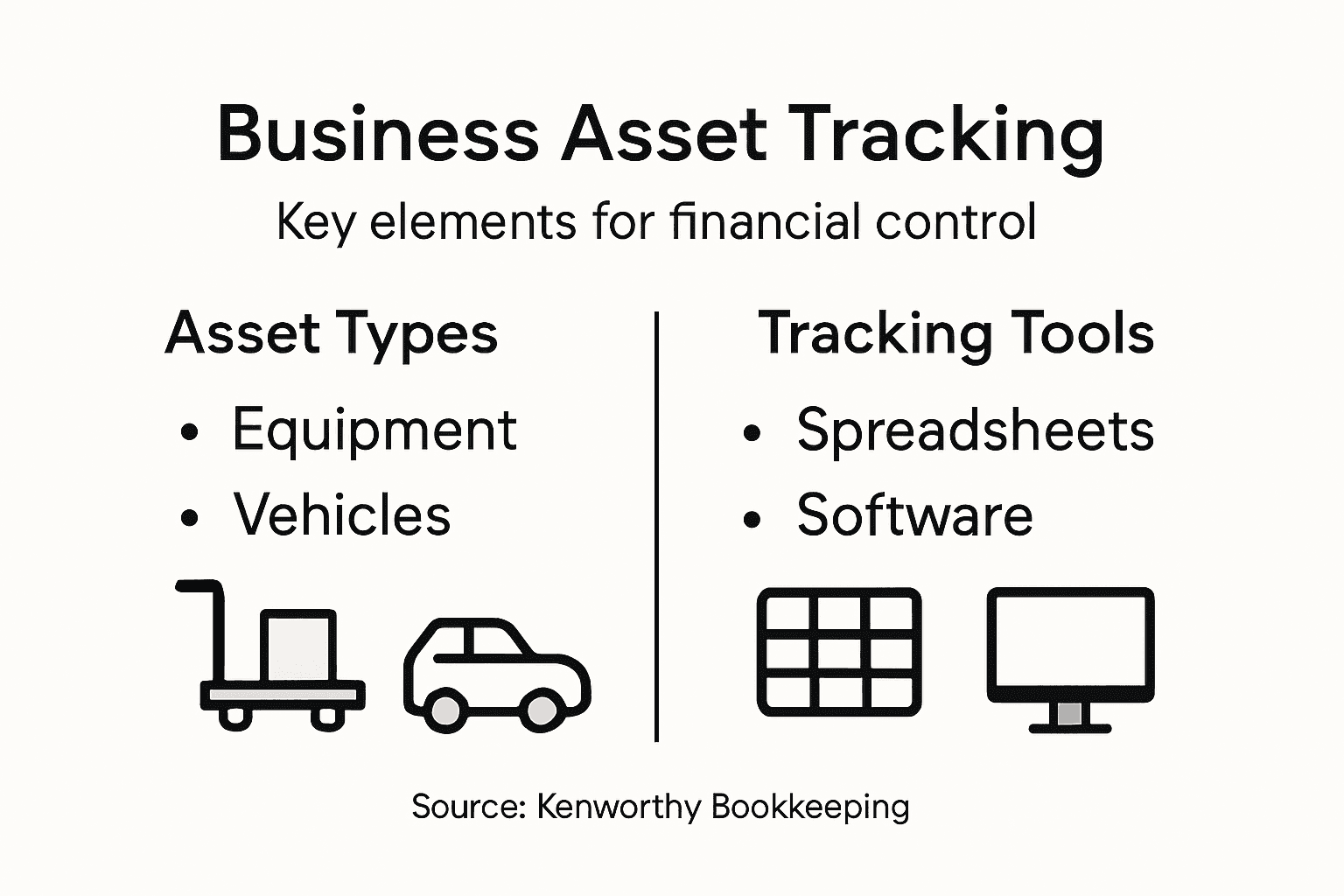
Pro tip: Start your asset tracking journey by creating a detailed inventory spreadsheet that captures serial numbers, purchase dates, and current locations of all your critical business equipment.
Types Of Assets Small Businesses Track
Small businesses track a diverse range of assets that are critical to their operational success. Tangible and intangible assets/11%3A_Long-Term_Assets/11.01%3A_Distinguish_between_Tangible_and_Intangible_Assets) play crucial roles in maintaining financial health and supporting business growth.
Key types of assets typically tracked by small businesses include:
-
Physical Assets
- Equipment and machinery
- Vehicles and transportation tools
- Office furniture and technology
- Inventory and raw materials
-
Financial Assets
- Cash reserves
- Investments and securities
- Accounts receivable
- Bank account balances
-
Intangible Assets
- Software licenses
- Trademarks and patents
- Intellectual property
- Brand reputation and customer databases
Financial tracking systems help small businesses distinguish between current and long-term assets, providing crucial insights into their financial structure. Understanding these asset categories allows business owners to make strategic decisions about resource allocation, maintenance, and potential investments.
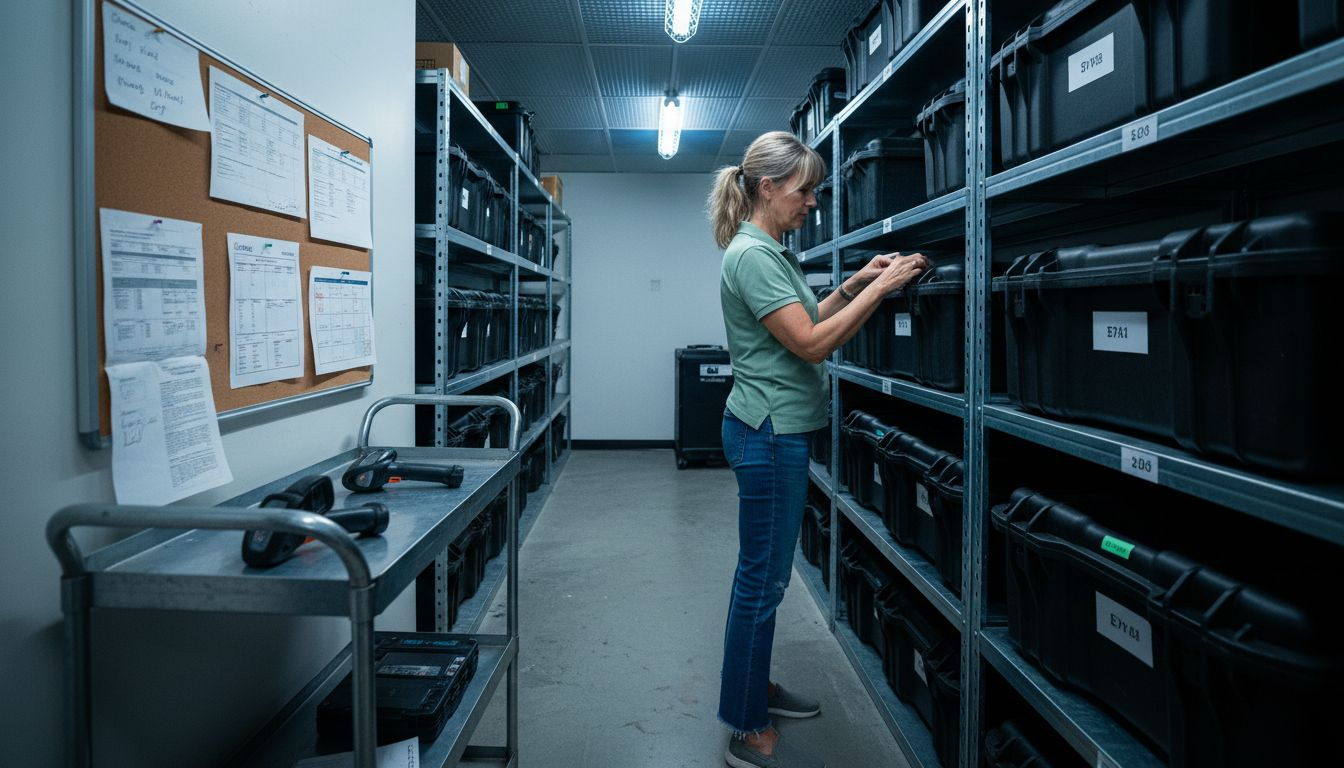
For home service businesses in Kansas City, tracking assets means more than just maintaining an inventory. It involves understanding the value, condition, and potential replacement costs of each asset to ensure operational efficiency and financial stability.
Here’s a summary of asset categories and how small businesses can measure their impact:
| Asset Category | Measurement Focus | Business Value Example |
|---|---|---|
| Physical Assets | Usage frequency, downtime | Maximizes service availability |
| Financial Assets | Liquidity, returns | Ensures cash flow stability |
| Intangible Assets | Licensing, renewal dates | Protects company reputation |
Pro tip: Create a digital asset register that includes purchase dates, current value, maintenance history, and expected replacement timeline for each significant business asset.
How Asset Tracking Works In QuickBooks Online
Asset tracking capabilities in QuickBooks Online provide small businesses with powerful tools to manage their financial resources efficiently. The platform offers comprehensive features that streamline the process of recording, monitoring, and reporting business assets.
Key functionalities for asset tracking in QuickBooks Online include:
-
Asset Purchase Recording
- Enter detailed purchase information
- Track initial asset cost
- Document purchase date and vendor details
-
Depreciation Management
- Automatically calculate asset depreciation
- Track current and projected asset values
- Generate depreciation reports
-
Asset Lifecycle Tracking
- Monitor asset condition
- Record maintenance and repair history
- Track potential replacement timelines
Financial record management within QuickBooks Online allows businesses to maintain precise records of their asset values. The system integrates asset data seamlessly into financial reports, providing a comprehensive view of a company’s financial health.
For home service businesses in Kansas City, this means having a centralized system that tracks everything from work vehicles and specialized equipment to office technology and inventory. QuickBooks Online transforms asset tracking from a tedious manual process into an automated, insightful financial management strategy.
Pro tip: Set up asset tracking in QuickBooks Online by creating a detailed asset profile for each significant business item, including purchase price, expected lifespan, and depreciation schedule.
Key Benefits For Kansas City Businesses
Business asset tracking delivers transformative advantages for small service businesses in the Kansas City metropolitan area. By implementing systematic tracking, local businesses can unlock significant financial and operational improvements.
Key benefits of comprehensive asset tracking include:
-
Financial Precision
- Accurate asset valuation
- Reduced financial reporting errors
- Enhanced tax compliance
- Better budgeting capabilities
-
Operational Efficiency
- Streamlined maintenance scheduling
- Reduced equipment downtime
- Optimized resource allocation
- Improved replacement planning
-
Risk Management
- Minimized asset loss
- Enhanced insurance documentation
- Proactive maintenance tracking
- Comprehensive asset lifecycle monitoring
Strategic asset management provides Kansas City businesses with a powerful framework for understanding their financial resources. By maintaining detailed records, companies can make data-driven decisions that support sustainable growth and minimize unexpected expenses.
For home service businesses operating in competitive Kansas City markets, asset tracking represents more than a bookkeeping exercise. It becomes a strategic tool that transforms financial management from reactive record-keeping to proactive business intelligence.
Pro tip: Dedicate one hour each month to reviewing and updating your asset tracking system, ensuring accuracy and identifying potential optimization opportunities.
Common Pitfalls And How To Avoid Them
Asset tracking challenges can significantly undermine a small business’s financial control if not addressed strategically. Understanding these potential obstacles is crucial for developing a robust asset management approach.
Common pitfalls that Kansas City businesses frequently encounter include:
-
Record Keeping Problems
- Inconsistent asset documentation
- Incomplete purchase history records
- Outdated asset information
- Missing serial number tracking
-
Operational Tracking Failures
- Lack of centralized asset repository
- Insufficient maintenance log details
- Poor equipment usage monitoring
- Delayed depreciation calculations
-
System Integration Issues
- Disconnected financial platforms
- Manual data entry errors
- Limited real-time tracking capabilities
- Inefficient reporting mechanisms
Risk assessment strategies help businesses proactively identify and mitigate potential tracking vulnerabilities. By implementing comprehensive control measures, companies can minimize financial risks and improve overall asset management effectiveness.
For home service businesses in Kansas City, avoiding these pitfalls requires a systematic approach that combines technology, training, and consistent processes. Recognizing potential weaknesses early can prevent costly mistakes and improve financial visibility.
This table highlights common pitfalls and ways to proactively address them:
| Pitfall Area | Example Issue | Preventive Action Suggestion |
|---|---|---|
| Record Keeping | Outdated asset records | Schedule regular data reviews |
| Operational Tracking | Missed equipment maintenance | Set automated maintenance alerts |
| System Integration | Manual entry errors | Implement integrated software |
Pro tip: Conduct a quarterly asset tracking audit to identify and correct potential documentation gaps, ensuring your records remain accurate and comprehensive.
Take Control of Your Business Assets and Finances Today
Accurate business asset tracking is a powerful step toward boosting financial control and operational efficiency. If you find yourself struggling with outdated records, inconsistent maintenance logs, or disconnected financial systems, you are not alone. Managing your assets effectively means understanding their value, lifespan, and impact on your financial health. With challenges like incomplete purchase histories and manual data entry errors, your business could be missing opportunities to maximize profitability and reduce costly mistakes.
At Kenworthy Bookkeeping, we specialize in transforming these challenges into strengths by offering expert bookkeeping services tailored for small businesses in Kansas City. Using QuickBooks Online, our team helps you seamlessly track assets, record depreciation, and integrate financial data to give you a clear, updated picture of your business finances. Whether you want to improve your P&L reports or prepare for tax season confidently, our comprehensive approach ensures you regain financial control with less stress.
Unlock the full potential of your asset tracking strategy and streamline your bookkeeping with trusted professionals who care about your success.

Start your journey toward effortless financial management now by scheduling a consultation with Kenworthy Bookkeeping. Visit our consultation page to see how our services can align with your business goals. Don’t wait to gain the accuracy and insight your business deserves. Take action today for a more profitable, well-managed tomorrow.
Frequently Asked Questions
What is business asset tracking?
Business asset tracking is a systematic process for monitoring and managing physical assets critical to a business’s operations, including their location, usage, condition, and maintenance history.
What types of assets should small businesses track?
Small businesses typically track three main types of assets: physical assets like equipment and vehicles, financial assets such as cash reserves and accounts receivable, and intangible assets, which include software licenses and intellectual property.
How does asset tracking improve financial control?
Asset tracking enhances financial control by providing accurate asset valuations, reducing reporting errors, improving budgeting capabilities, and maintaining compliance, ultimately leading to better resource allocation and operational efficiency.
What common pitfalls should businesses avoid in asset tracking?
Common pitfalls include inconsistent record-keeping, insufficient operational tracking, and integration issues among financial platforms. To avoid these, businesses should implement regular data reviews, set maintenance alerts, and use integrated asset management software.