

Why Generate Financial Reports for Small Businesses
Nearly one in two American small businesses experience financial trouble due to misunderstandings about financial reports. Many owners assume these documents are only for accountants or tax season, but the truth is they hold the keys to smarter decisions and sustainable growth. Knowing how to read and use financial reports can mean the difference between success and avoidable mistakes. Get ready to discover how American businesses can turn their financial paperwork into real opportunities for progress.
Table of Contents
- Defining Financial Reports And Common Myths
- Essential Types Of Financial Reports Explained
- How Financial Reporting Fuels Business Decisions
- Compliance Requirements And Tax Considerations
- Common Pitfalls When Overlooking Reporting
Key Takeaways
| Point | Details |
|---|---|
| Financial Reports are Essential | Financial reports are vital tools for small business owners, providing insights into cash flow, profitability, and growth opportunities. |
| Common Myths Can Mislead | Many small business owners mistakenly believe financial reports are only for tax purposes or too complex, leading to poor decision-making. |
| Regular Reporting Drives Success | Consistently generating financial reports helps owners make data-driven decisions, anticipate challenges, and optimize performance. |
| Avoiding Reporting Pitfalls is Crucial | Common mistakes like mixing personal and business finances can significantly hinder a business’s financial health and growth potential. |
Defining Financial Reports and Common Myths
Financial reports are structured documents that provide a comprehensive snapshot of a small business’s financial health and performance. Unlike popular misconceptions, these reports are not just complicated spreadsheets meant for accountants, but powerful tools that help business owners make strategic decisions. Small businesses often misunderstand financial reporting, which can lead to critical operational challenges.
The Wisconsin Small Business Development Center warns that neglecting proper financial reporting can significantly increase the risk of business failure. Common myths about financial reports include believing they are only necessary for tax purposes or that they are too complex for small business owners to understand. In reality, financial reports offer crucial insights into cash flow, profitability, and potential growth opportunities.
These reports typically include three primary statements: the income statement, balance sheet, and cash flow statement. Each provides unique perspectives on business performance. The Better Business Bureau highlights that without tracking expenses and maintaining clear financial documentation, businesses risk making uninformed decisions that could compromise their financial stability. By demystifying financial reports, small business owners can transform these documents from intimidating paperwork into strategic navigation tools for sustainable growth.
Key myths about financial reports include:
- Only large corporations need detailed financial reporting
- Financial reports are too complicated for small business owners
- Bookkeeping and financial reporting are optional
- These documents are solely for tax preparation
- Intuition is more reliable than financial data
Understanding and regularly generating financial reports empowers small business owners to make data-driven decisions, anticipate potential challenges, and position their businesses for long-term success.
Essential Types of Financial Reports Explained
Small businesses rely on several key financial reports to track their financial performance and make strategic decisions. Business.org highlights six essential financial documents that provide comprehensive insights into a company’s financial health and operational effectiveness. Understanding these reports is crucial for maintaining financial transparency and guiding business growth.
The three primary financial statements every small business should generate include the income statement, balance sheet, and cash flow statement. The income statement reveals a company’s profitability by showing revenues, expenses, and net income over a specific period. The balance sheet provides a snapshot of assets, liabilities, and owner’s equity, offering a clear picture of the business’s financial position at a particular moment. The cash flow statement tracks the movement of money in and out of the business, demonstrating how well the company generates cash to pay its expenses and fund operations.

Additional important financial reports include the accounts receivable aging report, which helps track outstanding customer payments and identify potential collection issues. The Better Business Bureau emphasizes that maintaining these detailed financial records is critical for assessing a business’s overall financial health and making informed strategic decisions. Budget reports are equally important, providing a comparative tool to measure actual performance against planned financial goals.
Key financial reports small businesses should generate:
- Income Statement
- Balance Sheet
- Cash Flow Statement
- Accounts Receivable Aging Report
- Budget Report
- Profit and Loss Statement
By consistently generating and analyzing these financial reports, small business owners can gain valuable insights into their company’s financial performance, identify potential challenges, and make data-driven decisions that support long-term business success.
How Financial Reporting Fuels Business Decisions
Financial reporting transforms raw numbers into strategic insights that drive critical business decisions. AccountingProfessor.org explains how financial statements provide a comprehensive view of a business’s financial health, enabling owners to make informed and proactive choices about their company’s future. These reports are not just static documents, but dynamic tools that reveal patterns, potential challenges, and growth opportunities.
Business leaders use financial reports to assess multiple dimensions of their operational performance. Financial metrics help determine pricing strategies, identify areas of unnecessary spending, and evaluate the profitability of different product lines or service offerings. By analyzing income statements, balance sheets, and cash flow statements, small business owners can pinpoint exactly where money is being generated, spent, and potentially wasted. This granular understanding allows for precise adjustments that can significantly improve overall financial efficiency.
Moreover, financial reporting plays a critical role in building stakeholder trust by demonstrating transparency and financial discipline. Potential investors, lenders, and business partners rely on accurate financial reports to assess a company’s creditworthiness and growth potential. These documents provide a clear narrative of the business’s financial journey, highlighting its strengths, addressing potential weaknesses, and showcasing the strategic thinking behind financial management.
Key decision-making areas powered by financial reporting include:
- Budgeting and resource allocation
- Investment and expansion planning
- Pricing and revenue optimization
- Cost reduction strategies
- Performance evaluation
- Risk management
By consistently generating and analyzing comprehensive financial reports, small business owners transform complex financial data into actionable intelligence, enabling them to navigate challenges, capitalize on opportunities, and build a more resilient and profitable enterprise.
Compliance Requirements and Tax Considerations
Compliance in financial reporting is not just a legal obligation but a critical strategy for small businesses to maintain financial integrity and avoid potential penalties. The Better Business Bureau advises that maintaining accurate financial records is essential for meeting tax regulations and financial reporting standards. Small business owners must understand the intricate landscape of regulatory requirements to protect their enterprise from unexpected legal and financial complications.
Tax documentation requires meticulous attention to detail and consistent record-keeping. The Internal Revenue Service (IRS) mandates specific financial reporting standards that vary depending on business structure, industry, and annual revenue. The National Business Association’s comprehensive guide highlights the importance of maintaining precise financial planning documents like balance sheets and profit and loss statements. These documents not only support tax compliance but also provide strategic insights into business performance.
Small businesses must be particularly attentive to several key compliance and tax considerations. Different business structures (sole proprietorship, partnership, corporation) have unique reporting requirements, and failing to meet these can result in significant financial penalties. Accurate financial reporting helps businesses substantiate income, track expenses, and provide transparent documentation during potential audits. Additionally, well-maintained financial records can help maximize tax deductions and minimize tax liability.
Critical compliance and tax reporting requirements include:
- Maintaining detailed income and expense records
- Preparing accurate balance sheets
- Documenting all business transactions
- Separating personal and business expenses
- Tracking payroll and employee compensation
- Retaining financial documents for recommended periods
By prioritizing comprehensive financial reporting and understanding compliance requirements, small business owners can create a solid foundation for financial success, minimize risk, and demonstrate professional financial management to stakeholders and tax authorities.
Common Pitfalls When Overlooking Reporting
The University of Houston Small Business Development Center warns that small businesses frequently encounter critical financial reporting errors that can dramatically compromise their long-term success. Financial reporting mistakes are not just administrative oversights, but potential landmines that can derail business growth, trigger tax complications, and create significant operational challenges. Recognizing these pitfalls is the first step toward building a robust financial management strategy.
One of the most fundamental errors small business owners make is failing to maintain a clear separation between personal and business finances. This blurring of financial boundaries can create complex accounting challenges, making it difficult to track business expenses, validate tax deductions, and generate accurate financial reports. UMA Technology highlights the critical importance of data validation and proper financial record cleansing, emphasizing that inaccurate or incomplete data can lead to misguided business decisions that have far-reaching consequences.
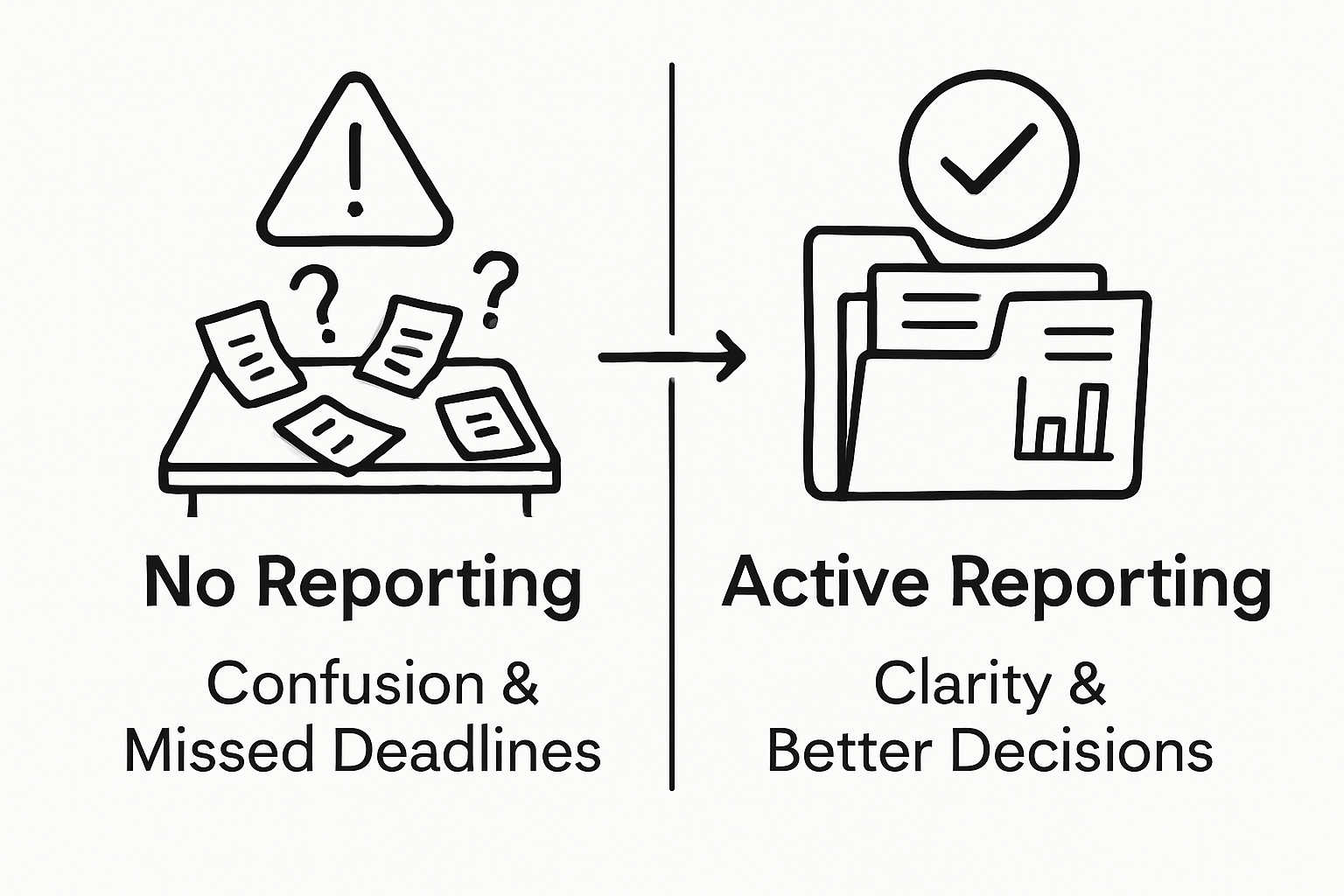
Additional significant pitfalls in financial reporting include inconsistent record-keeping, neglecting to establish an emergency financial reserve, and failing to regularly reconcile financial statements. Many small business owners underestimate the complexity of financial reporting, treating it as an administrative burden rather than a strategic tool. This approach can lead to missed opportunities for cost optimization, potential tax penalties, and reduced credibility with potential investors or lenders.
Common financial reporting pitfalls to avoid:
- Mixing personal and business expenses
- Inconsistent or incomplete record-keeping
- Neglecting to validate financial data
- Failing to establish an emergency financial reserve
- Avoiding regular financial statement reconciliation
- Relying on manual, error-prone tracking methods
By proactively addressing these common reporting challenges, small business owners can transform financial reporting from a dreaded task into a powerful strategic advantage, ensuring greater financial transparency, compliance, and long-term business resilience.
Take Control of Your Small Business Finances Today
Understanding the importance of financial reports is critical in overcoming common challenges like unclear cash flow, mixing personal and business expenses, or neglecting regular record-keeping. If you struggle with generating accurate income statements, balance sheets, or cash flow statements, you are not alone. These core financial documents provide the clarity needed to make confident decisions and avoid costly pitfalls highlighted in the article.
Kenworthy Bookkeeping specializes in turning these complex financial reports into clear, actionable insights. With expert services including bank reconciliations, Profit and Loss reports, and tax season preparation, we help small businesses in the Kansas City area regain control of their finances and increase profitability. Don’t wait until financial confusion puts your business at risk. Explore how our effortless bookkeeping solutions can support your growth by scheduling a consultation today.

Ready to simplify your financial reporting and make smarter business decisions? Visit Kenworthy Bookkeeping Consultations and take the first step toward financial clarity. Learn more about how our QuickBooks Online bookkeeping services provide detailed categorization and reporting that empower you to build a resilient and thriving business.
Frequently Asked Questions
Why are financial reports important for small businesses?
Financial reports provide crucial insights into a business’s financial health, enabling owners to make informed decisions, anticipate challenges, and identify growth opportunities.
What are the main types of financial reports that small businesses should generate?
Small businesses should regularly generate an income statement, balance sheet, cash flow statement, accounts receivable aging report, budget report, and profit and loss statement.
How can financial reporting impact decision-making in a small business?
Financial reporting transforms raw numbers into strategic insights, helping business owners make decisions related to budgeting, pricing, investment planning, cost reduction, and performance evaluation.
What are some common pitfalls small business owners face when managing financial reports?
Common pitfalls include mixing personal and business expenses, inconsistent record-keeping, neglecting data validation, and failing to reconcile financial statements regularly.
Recommended
- Business Financial Statements Guide for Small Businesses – Kenworthy Bookkeeping Blog
- Cash Flow Statements Explained: Key Impacts for Small Businesses – Kenworthy Bookkeeping Blog
- Small Business Accounting: Streamlining Your Kansas City Finances – Kenworthy Bookkeeping Blog
- Master Budget Planning Workflow for Small Businesses – Kenworthy Bookkeeping Blog
- Annual Accounts Filing Process: Step-by-Step Guide for SMEs
- Free IRS Advice On Preparing Form 433b






8 Comments
Comments are closed.